Rain is relentless in South Florida. From summer thunderstorms to tropical cyclones, your roof fights water intrusion constantly. A roof that isn't properly waterproofed doesn't just leak — it creates mold problems, damages your insulation, rots your decking, and can even compromise your home's structure.
This guide covers everything Fort Lauderdale homeowners and businesses should understand about roof waterproofing.
What Is Roof Waterproofing?
Roof waterproofing is the process of applying specialized materials — membranes, coatings, or underlayments — to create a fully sealed, water-resistant barrier on your roof. It goes beyond the shingles or tiles you see. Effective waterproofing addresses the most vulnerable points: flashing, seams, valleys, and penetrations.
Why Waterproofing Is Essential in Florida
Florida receives some of the highest annual rainfall in the country. Combined with hurricane-force winds that drive rain sideways, even small roof imperfections become major leak points. Waterproofing solves this by creating a continuous, seamless barrier.
Without it, you risk:
- Hidden leaks that damage insulation and decking over time
- Mold and mildew growth in attic spaces
- Stained ceilings and drywall damage
- Rot in structural wood members
- Costly emergency repairs during storm season
Common Waterproofing Methods
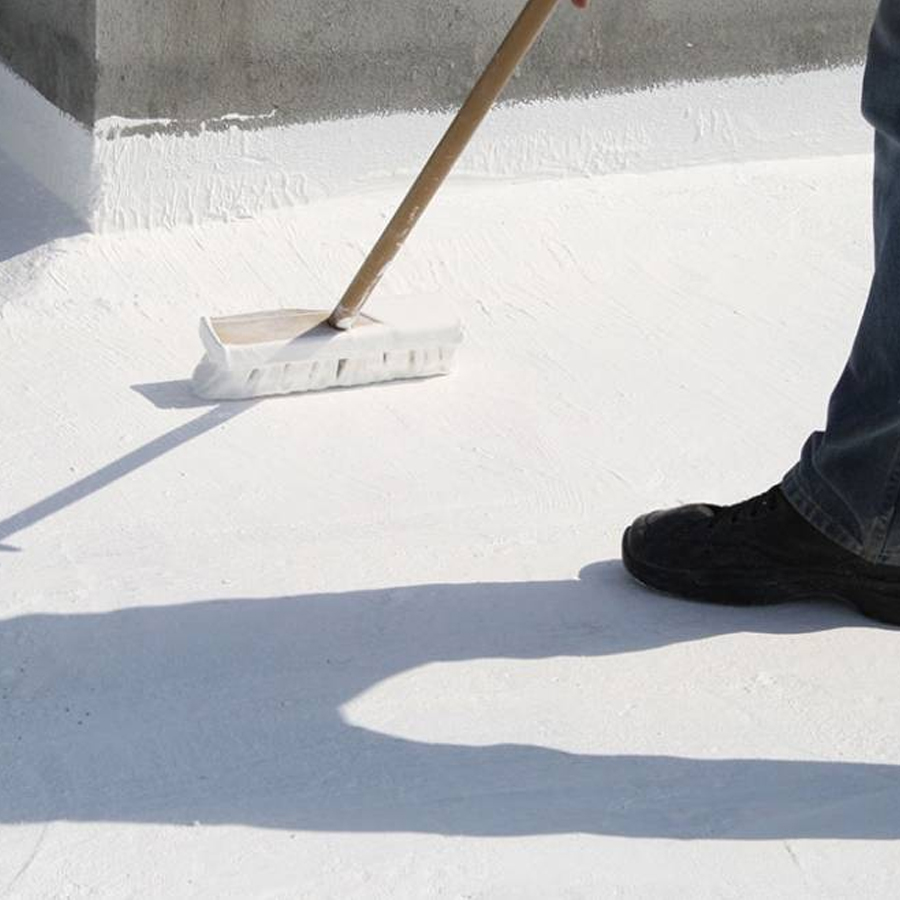
Silicone Roof Coatings
Ideal for flat roofs. Creates a seamless, UV-resistant, waterproof membrane.
R400 Liquid-Applied Rubber
Dries into a thick, flexible rubber barrier that stops existing leaks and prevents new ones. Learn about our R400 rubber roofing.
Modified Bitumen Membranes
Rolled asphalt sheets reinforced with polymers. Common on flat and low-slope roofs.
Shingle Waterproof Underlayment
A secondary barrier beneath shingles that protects against wind-driven rain.
Shingle Underlayment Waterproofing
A-1 Roofing's waterproof shingle underlayment is a composite material of asphalt polymers formed into a rolled sheet. The asphalt makes it vapor-tight; the polymers make the asphalt flexible and tear-resistant. It's the solution for winning the battle against water penetration at your roof's most vulnerable places — under the shingles, around skylights, and along the eaves.
When Should You Waterproof Your Roof?
- During new roof installation (best option)
- When replacing an existing roof
- If you've had recurring leaks
- Before hurricane season if your roof is 10+ years old
- After significant storm damage
Cost & Long-Term Benefits
Waterproofing is an investment that pays for itself many times over. While it adds to your upfront roof cost, it can:
- Extend your roof's lifespan by 10+ years
- Prevent expensive interior water damage repairs
- Reduce insurance claims and premiums
- Increase your home's resale value
- Improve energy efficiency
Our Waterproofing Services
A-1 Roofing & Waterproofing Pros has completed over 3,600 projects in South Florida. We offer full waterproofing services including silicone coatings, R400 rubber, modified bitumen, and shingle underlayment installation.
Ready to protect your roof from Florida's worst? Call 954-741-9759 or contact us for a free assessment.